Wednesday, April 13, 2011

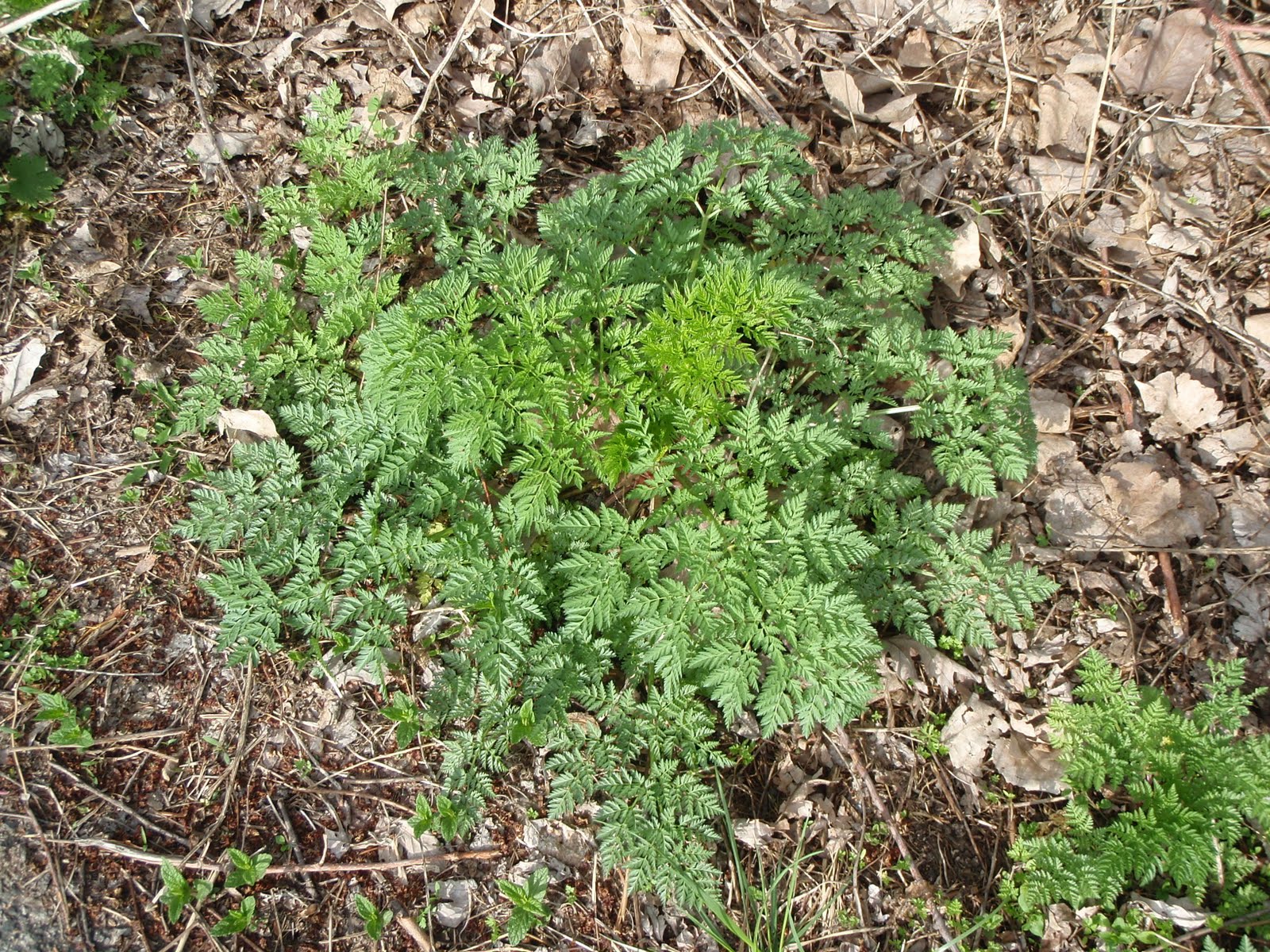
Poison hemlock


This is poison hemlock (Conium maculatum), along the Wabash River Heritage Trail, near downtown Lafayette. Don't eat it! A very common plant. Picture taken April 13, 2011.

Link to Conium:


Link to Conium maculatum:

Tuesday, April 12, 2011

Sochan


Sochan (Rudbeckia laciniata). It's up and ready to eat. This is the good stuff! This is a picture of sochan near the Wabash River in Tippecanoe County. Look for it where the river floods at times of high water. Eat it now while it's fresh out of the ground. By summer it will taste like a mouthful of turpentine. Picture taken April 10, 2011.

WARNING: Don't eat the poison hemlock! That's up and green too. Make sure you can tell the difference.

Link to sochan video:

Link to sochan:

Link to Rudbeckia laciniata:

Monday, April 11, 2011

Galerina mushrooms


These Galerina marginalis mushrooms are in Celery Bog Park, West Lafayette. This kind of mushroom is deadly poisonous. Picture taken April 5, 2011.

Link to Galerina marginata:

Link to Galerina marginata:

Saturday, April 9, 2011

Mayapple


This is at Celery Bog Park in West Lafayette, mayapple (Podophyllum peltatum) leaves are popping out of the ground. Picture taken today, April 10, 2011.

Link to previous post on mayapple:

Link to mayapple:

Friday, April 8, 2011

Spring Beauty and Toothwort getting ready to flower


In the Scifres-Maier Woods in Celery Bog Park, a toothwort (Cardamine concatenata) and a Spring Beauty (Claytonia virginica) are just about ready to flower. These are two of our commonest spring wildflowers. Rust fungus is growing on the Spring Beauty, adding some color to the natural world close to the ground. The rust that lives on Spring Beauty is called Puccinia mariae-wilsoniae. Picture taken April 5, 2011.

Link to previous post on toothwort:

Link to previous post on spring beauty rust:


Link to spring beauty:

Another post on toothwort:

Puccinia mariae-wilsoniae is Latin for "Mary Wilson's rust". G.W. Clinton gave this fungus its scientific name. Here is a link to the story of Mary Wilson:

Wednesday, April 6, 2011

Phellinus robiniae on Robinia pseudoacacia

This shelf fungus is Phellinus robiniae. The tree is a black locust tree (Robinia pseudoacacia). The vine climbing up the black locust tree is Japanese honeysuckle (Lonicera japonica).

REVISION 1/12/2013:  The vine is not Japanese honeysuckle, rather it is wintercreeper (Euonymus fortunei)


 The pale blue green spots on the top of the shelf are lichens. This tree is in a fencerow in Shelby County near Shelbyville.


A view of the underside of the same Phellinus. Pictures taken April 1, 2011.

Link to Phellinus robiniae:

Link to Phellinus robiniae:


Link to Phellinus robiniae:

Link to previous post on Euonymus fortunei:

Link to previous post on black locust trees:

Link to lichens:

Sunday, April 3, 2011

Wintercreeper

Japanese honeysuckle (Lonicera japonica) is an invasive plant that is common, especially in southern parts of Indiana. These fencerow trees are covered with Japanese honeysuckle vines.

REVISION 1/17/2013:  These vines are not Japanese honeysuckle, but rather they are wintercreeper vines (Euonymus fortunei) which is another invasive vine that is a big problem in Indiana.


Both wintercreeper and Japanese honeysuckle vines keep their leaves throughout the Indiana winter, staying more or less green. These pictures were taken in Shelby County near Shelbyville, April 1, 2011.


A closer look at the wintercreeper vine seen in the previous picture.

Link to Euonymus fortunei: